
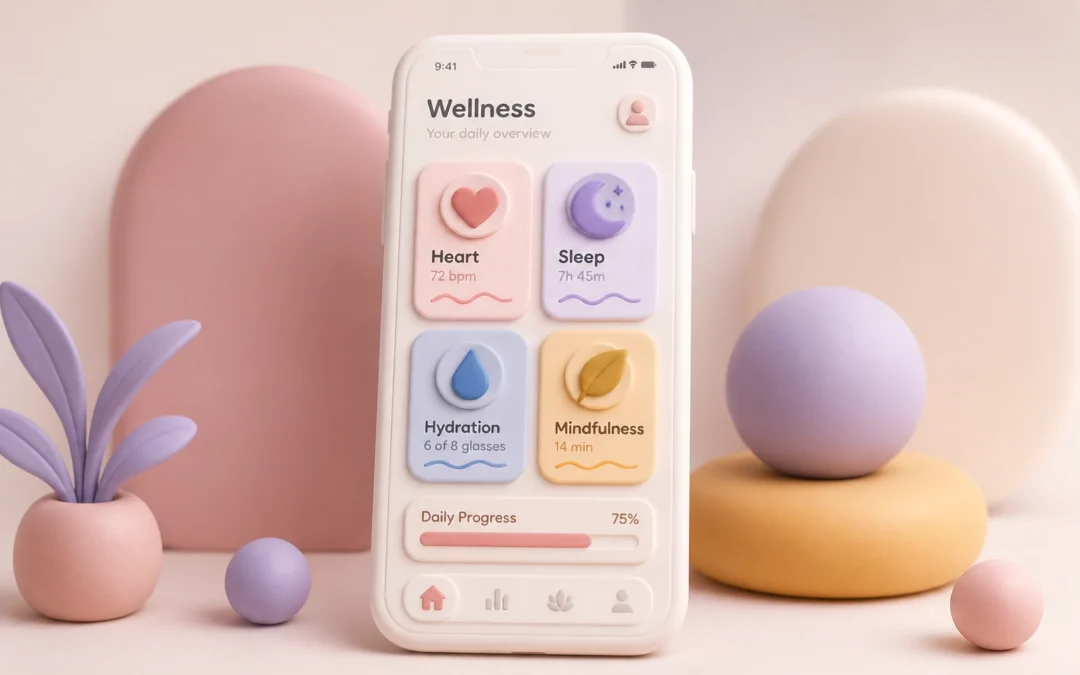
The utilization of digital health tracking systems often results in suboptimal outcomes or total abandonment. Statistical data indicates that a significant percentage of users cease active engagement with wellness applications within the first 90 days of operation. This failure is frequently attributed to systemic inefficiencies in data integration, user friction, and a lack of actionable intelligence. To ensure the efficacy of a wellness regimen, the identification of these failure points is mandatory.
The following analysis details ten primary reasons for the failure of lifestyle trackers and provides standardized technical solutions to optimize personal health management.
1. Data Fragmentation and Isolated Metrics
Health status is often monitored through disparate applications that do not communicate. When activity data is stored separately from nutritional input or sleep cycles, a comprehensive assessment of physiological state is impossible. This isolation prevents the identification of correlations, such as the impact of late-night caloric intake on sleep quality.
Solution: Consolidate all health pillars into a single interface. Utilize the Wholistic Wellness Tracker to synchronize nutrition, mindfulness, activity, and sleep metrics. Ensure that all data points are localized within one system to facilitate a 360-degree view of wellness status.
2. Elevated Friction in Manual Data Entry
The requirement for extensive manual logging of every meal and physical movement creates significant user burden. When the energy expenditure required for tracking exceeds the perceived benefit, system abandonment occurs. Manual processes are prone to human error and inconsistency, leading to inaccurate datasets.
Solution: Implement automated tracking wherever possible. Connect wearable hardware to the application to automate step counts and heart rate monitoring. For nutritional tracking, utilize rapid-entry tools or recurring meal templates found in the Recipe library to minimize the time required for data input.
3. Absence of Actionable Guidance
Raw data lacks utility without expert interpretation. Many systems provide metrics, such as daily step totals or caloric counts, without explaining the physiological implications or providing corrective steps. Without a feedback loop, data collection becomes a passive activity with no impact on behavior modification.
Solution: Transition from data collection to intelligent analysis. Access the personalized AI wellness guidance to receive 24/7 coaching. This system interprets logged data and generates specific, non-negotiable instructions for lifestyle adjustment based on real-time progress.

4. Neglect of Sleep and Recovery Cycles
An overemphasis on physical activity without sufficient attention to recovery leads to physiological burnout. Many trackers prioritize "closing rings" or reaching activity targets while ignoring the necessity of restorative sleep. According to the Sleep Foundation, inadequate recovery negatively impacts metabolic function and cognitive performance.
Solution: Monitor the Harmony & Sleep parameters with the same rigor applied to physical activity. Maintain a consistent sleep-wake schedule and log recovery status daily. Adjust activity levels based on sleep quality scores to prevent overtraining and ensure systemic balance.
5. Isolation of Nutritional Quality
Caloric tracking is often treated as a purely quantitative task, ignoring the qualitative impact of macronutrients and micronutrients. A system that only monitors "calories in versus calories out" fails to account for glycemic index, inflammatory responses, or nutritional density. This lack of context can lead to poor health outcomes despite meeting caloric targets.
Solution: Utilize a comprehensive nutrition tracker that evaluates the balance of daily intake. Refer to high-authority resources like Harvard Health for guidance on nutritional quality. Select meals from the curated Recipe library that prioritize whole-food ingredients and nutrient density over simple caloric restriction.

6. Disregard for Mental and Emotional States
Physical metrics are frequently tracked in a vacuum, ignoring the influence of stress and mental wellbeing on overall health. Elevated cortisol levels from stress can negate the benefits of physical exercise and proper nutrition. Systems that fail to integrate mindfulness and mood tracking provide an incomplete picture of the user’s health status.
Solution: Incorporate daily mindfulness sessions into the wellness routine. Use guided meditations to ground the mind and record daily reflections in the integrated Journal. Monitor the correlation between mood states and physical performance to identify psychological stressors affecting health progress.

7. Technical Synchronization Inefficiencies
Frequent synchronization failures between hardware and software result in data loss and user frustration. If a device fails to transmit data to the central application, the integrity of the health record is compromised. Battery depletion and GPS inaccuracies further contribute to unreliable data sets.
Solution: Ensure all devices are running the latest firmware. Verify that the Wholistic Wellness Tracker PWA is correctly installed on the home screen for optimal performance across all devices. Perform regular manual sync checks to confirm that activity data from wearables is accurately reflected in the primary dashboard.
8. Unrealistic Goal Parameterization
The setting of arbitrary or unattainable goals leads to a perceived lack of progress. When targets are not adjusted based on individual baseline data, the probability of failure increases. Standardized targets, such as "10,000 steps," may be inappropriate for specific user profiles, resulting in discouragement.
Solution: Utilize the AI Coach to establish baseline metrics. Set incremental, data-driven goals that evolve as physical capacity increases. Focus on consistency over intensity, and use the leaderboard system to compare progress against peers with similar profiles for more relevant benchmarking.
9. Absence of Social Accountability
Isolation during a wellness journey reduces the psychological pressure to remain consistent. Without a support structure or community feedback, the motivation to engage with the tracking system often diminishes after the initial novelty phase. Social support is a documented factor in long-term habit retention.
Solution: Engage with the community features of the platform. Join group challenges and participate in the Wholistic Circle to share progress and receive support. Utilize the leaderboard to foster a sense of accountability and maintain motivation through healthy competition.

10. Privacy and Data Security Concerns
A lack of trust regarding how health data is managed can lead to intermittent usage or the withholding of critical information. If a user perceives that sensitive medical or nutritional data is being shared with unauthorized third parties, the utility of the tracker is compromised.
Solution: Select platforms with transparent data policies. Review the privacy settings within the application to control data sharing. Ensure that all tracked information remains within a secure environment designed for personal health management rather than advertising.
System Integration and Final Optimization
To ensure that a healthy lifestyle tracker functions as intended, the transition from fragmented data collection to an integrated, holistic approach is required. The identified failure points: ranging from data isolation to lack of social support: must be addressed systematically.
Follow these steps for immediate system improvement:
- Locate the Wholistic Wellness Tracker application.
- Synchronize all relevant hardware and external data sources.
- Configure the AI Coach for personalized instruction.
- Establish a consistent routine for logging nutrition, sleep, and mindfulness.
- Join a Group Challenge to activate social accountability.
Failure to address these operational issues will result in continued data inaccuracy and eventual abandonment of the wellness program. Precision in tracking and consistency in execution are the requirements for long-term physiological optimization.