
Why Your Gut Matters for Energy, Focus, and Mood
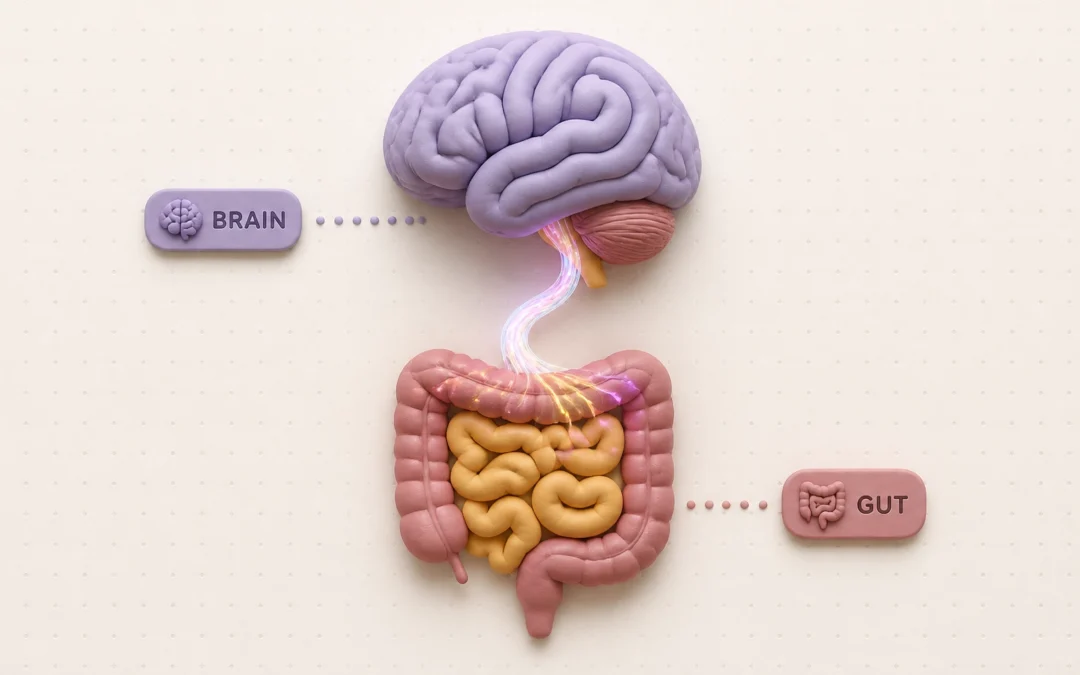
There is a lot happening in the gut. Trillions of microorganisms live in the digestive tract, and together they make up the gut microbiome. Research shows that this system is closely connected to the brain through what is called the Microbiome-Gut-Brain Axis (MGBA). That connection helps the body send signals through the nervous system, hormones, and the immune system.
When the gut microbiome is supported, it can help with steady energy, clearer thinking, and a more balanced mood. When it is disrupted, issues like fatigue, brain fog, and mood changes may be more likely. That is why food choices matter. A personalized wellness plan can help prioritize foods that support gut health and the production of important brain chemicals.
Using a holistic wellness app makes it easier to notice patterns over time. The five foods below are backed by research and may help support better energy, focus, and mood.
1. Fermented Dairy: Probiotic Inoculation and GABA Synthesis

Fermented dairy foods like plain Greek yogurt and kefir are simple ways to add probiotics to meals. These foods contain helpful bacteria, including Lactobacillus and Bifidobacterium, which support the gut lining and help keep less helpful bacteria in check.
Why it helps
- Supports mood-related brain chemicals: The gut helps produce much of the body’s serotonin and also plays a role in GABA production. These chemicals are linked to mood, stress response, and calm focus.
- May help with stress levels: Research suggests that regular probiotic intake may help lower cortisol, the body’s main stress hormone. Lower cortisol can support steadier energy and concentration.
- Helps with energy production: Kefir also contains B vitamins, which help the body turn food into usable energy.
Choose unsweetened options when possible. Then track them in the ai health coach app to see how probiotic-rich foods line up with mood and energy.
2. Whole-Grain Oats: Prebiotic Fiber and SCFA Production
Oats are a great source of beta-glucan, a kind of soluble fiber that feeds beneficial gut bacteria. Because this fiber is not fully broken down early in digestion, it reaches the colon where gut microbes can use it.
Why it helps
- Feeds the gut microbiome: When gut bacteria ferment oat fiber, they produce short-chain fatty acids such as butyrate. These compounds support gut health and may also benefit brain function.
- Supports steady energy: Oats digest slowly, which can help avoid sharp blood sugar spikes and crashes. That often means more stable energy and better focus.
- May help calm inflammation: Diets high in whole-grain fiber are linked with lower levels of inflammation, which supports overall mental and physical wellness.
Try to eat minimally processed oats regularly. A healthy lifestyle tracker can help make sure daily fiber intake stays on track.
3. Bananas: Resistant Starch and Vitamin B6 Bioavailability

Bananas, especially slightly green ones, contain resistant starch. This works a lot like prebiotic fiber and gives helpful gut bacteria something to feed on.
Why it helps
- Supports dopamine production: Bananas contain vitamin B6, which helps the body make dopamine. Dopamine is tied to motivation, focus, and reward.
- Helps beneficial bacteria grow: Resistant starch can support the growth of bacteria such as Bifidobacteria, which are associated with better gut health and mood.
- Replenishes key minerals: Bananas also provide potassium and magnesium, which help support muscle function and fight off tiredness.
If possible, choose firmer bananas for a bit more resistant starch. Log them in the Wholistic Wellness Tracker app and watch for patterns in energy and motivation.
4. Fatty Fish: Long-Chain Omega-3 Fatty Acids and Neuroinflammation

Fatty fish like salmon, mackerel, and sardines are rich in omega-3 fats, especially EPA and DHA. These fats are important for both brain health and inflammation control.
Why it helps
- Supports brain function: DHA is a major part of brain cell membranes and helps brain cells communicate well. That can support focus and mental clarity.
- May support the gut lining: Omega-3s may help strengthen the gut barrier and support a healthier mix of gut bacteria.
- Helps lower inflammation: EPA helps reduce inflammatory signals in the body. Lower inflammation is often linked with better mood and clearer thinking.
Aim to include fatty fish a couple of times each week. Use your personalized wellness plan to keep an eye on omega-3 intake over time.
5. Berries: Polyphenols and Antioxidant Shielding
Berries like blueberries, raspberries, and strawberries are packed with polyphenols, including anthocyanins. These plant compounds act as antioxidants and may also help nourish beneficial gut microbes.
Why it helps
- Feeds beneficial bacteria: Polyphenols can reach the colon, where they may support the growth of helpful bacteria such as Akkermansia muciniphila.
- Protects brain cells: Anthocyanins may help protect the brain from oxidative stress, which supports focus and long-term brain health.
- Supports healthy blood flow: Berries are linked with better blood vessel function, which helps deliver oxygen and nutrients to the brain.
Add a serving of berries when it fits your day. The ai health coach app can help you notice whether timing them with breakfast or snacks works best for your focus.
Simple Ways to Put This Into Practice

These foods can be helpful, but the biggest difference usually comes from consistency. Because each person responds a little differently, tracking can make it easier to see what actually helps.
Try this simple plan:
- Start with a baseline: Log meals, mood, and energy for 7 days in the healthy lifestyle tracker.
- Add foods one at a time: Bring in one of these gut-friendly foods every couple of days so it is easier to notice how the body responds.
- Look for patterns: Use the Wholistic Wellness Tracker analytics to see whether certain foods line up with better focus, steadier energy, or improved mood.
- Adjust as needed: Refine the personalized wellness plan with support from the AI coach.
Summary
Gut health plays an important role in how the body and brain feel each day. Research continues to show that foods like fermented dairy, oats, bananas, fatty fish, and berries can support the gut-brain connection in meaningful ways.
The goal is not perfection. It is noticing what helps. Small, steady choices can support better energy, clearer focus, and a more balanced mood over time.
Log in to the Wholistic Wellness Tracker app and start tracking meals, mood, and energy to see which gut-friendly foods work best for you.
WordPress Metadata:
- Meta Description: Discover 5 gut-healthy foods that support energy, focus, and mood, then track your progress in the Wholistic Wellness Tracker app.
- Image Alt Text (Hero): 3D claymorphism illustration of the gut-brain axis connecting a brain and digestive system with soft, glowing fibers.
- Image Alt Text (Yogurt): 3D claymorphism bowl of Greek yogurt with a blueberry, showing smooth rounded surfaces and a pearlescent finish.
- Image Alt Text (Oats/Bananas): 3D claymorphism illustration of bananas and oats in a tactile, toy-like style with muted pastel colors.
- Image Alt Text (Salmon): 3D claymorphism salmon fillet on a plate with an iridescent sheen and high-quality matte textures.
- Image Alt Text (App Interface): 3D claymorphism mobile app screen displaying wellness icons for heart, brain, and nutrition.